Fostering strong communication and trust is vital for today’s dynamic teams in Singapore. Many companies face departmental silos and trust gaps, especially in hybrid work. Engaging team building games offer a powerful solution, promoting open dialogue and shared problem solving.
TL;DR / Key Takeaways
- Facilitator led games build communication and trust effectively.
- Diverse indoor outdoor and digital activities suit various budgets and groups.
- Pre and post activity follow ups maximize ROI and sustain collaboration.
- TeamLabs offers scalable options, proven outcomes and comprehensive support.
- A simple framework aids HR managers in activity selection.
Team building games in Singapore are structured, facilitator led activities designed to improve workplace communication, build trust and strengthen collaboration through challenges and debriefs.
What are the best team building games for improving communication in Singapore?
Effective team building games enhance communication in Singapore. The ideal setting and activity type depend on your team’s specific needs.
Indoor vs Outdoor Settings
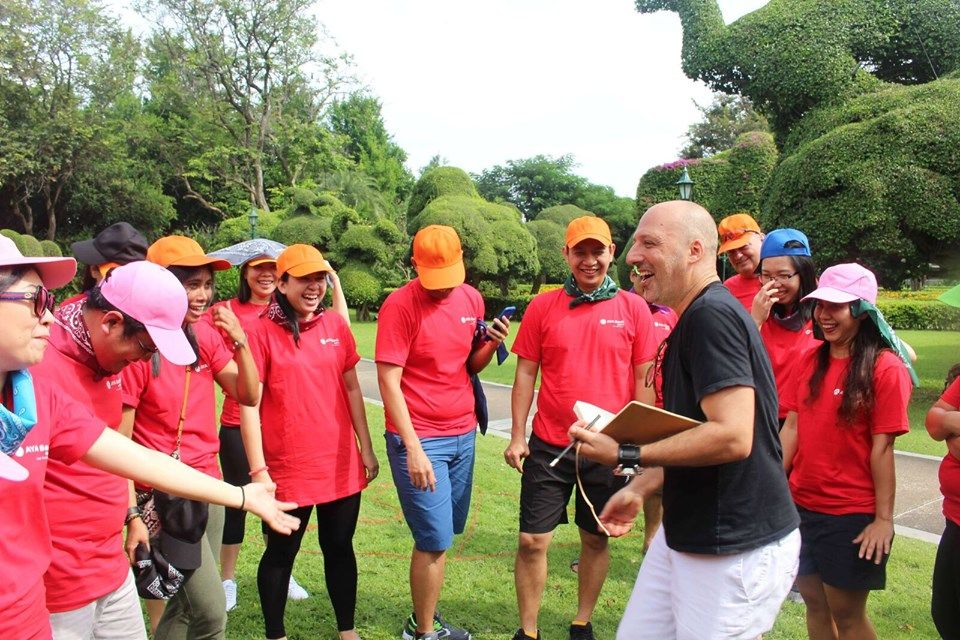
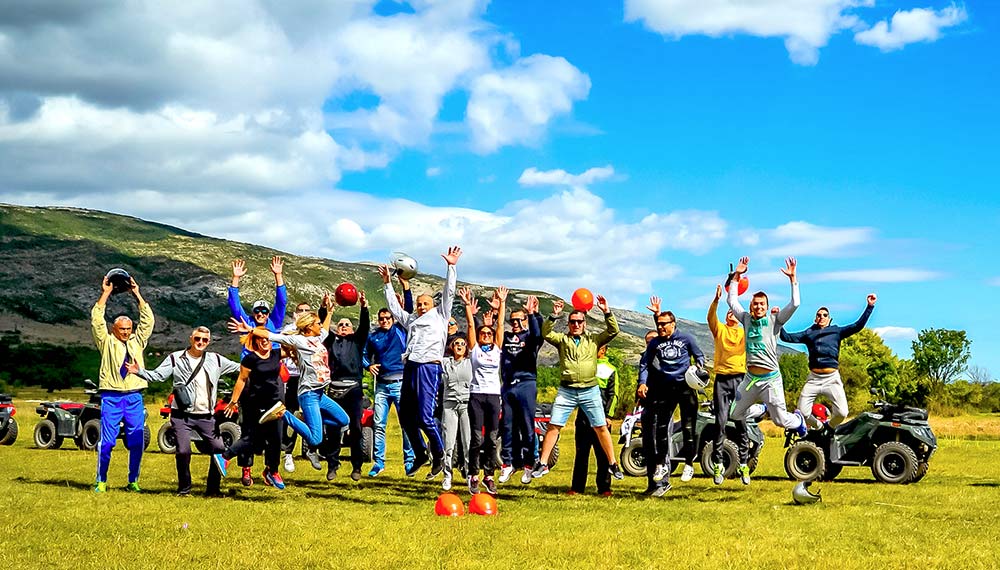
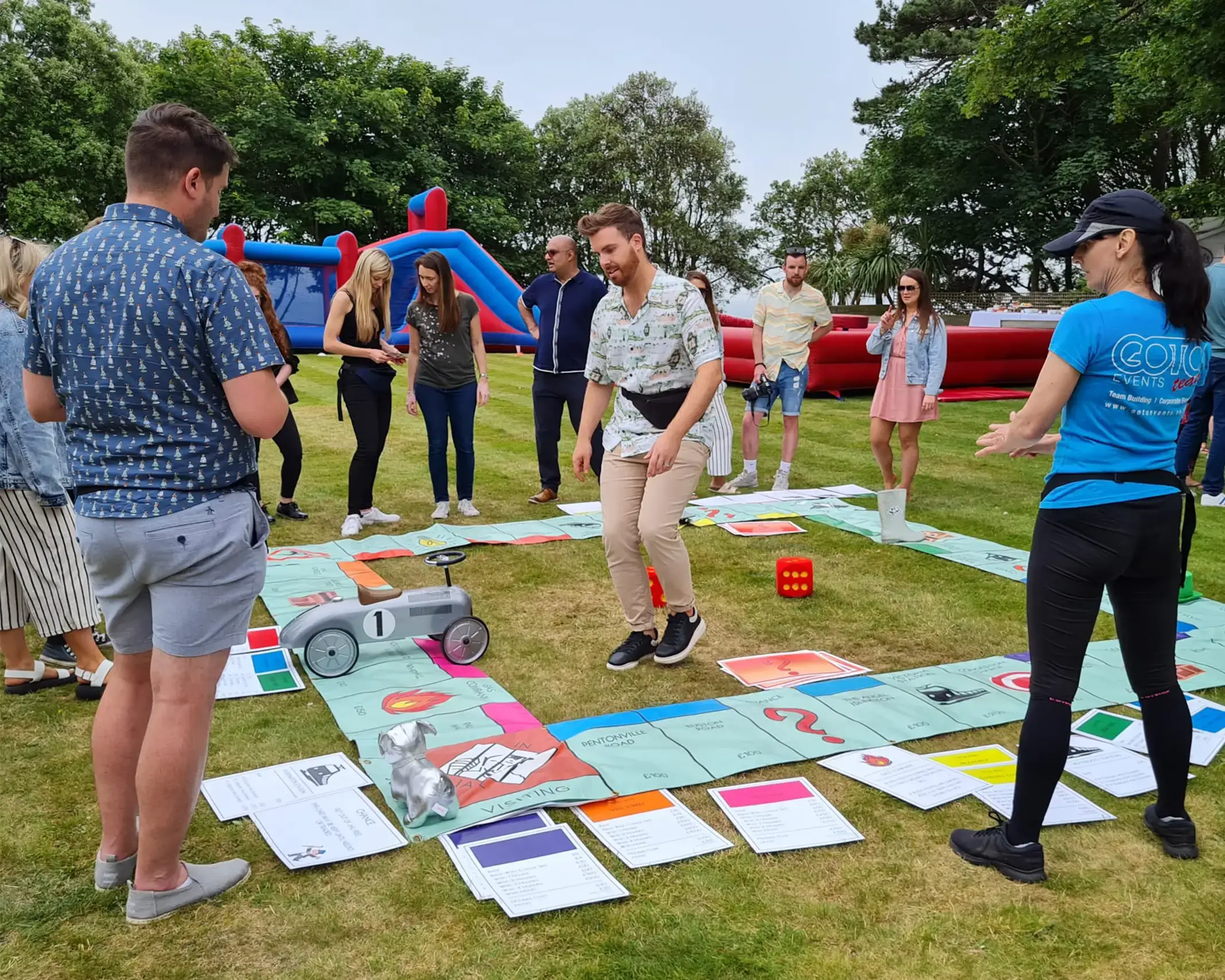
Both indoor and outdoor settings build trust. Indoor options offer controlled environments, easing logistics and debriefs. Outdoor activities provide higher energy and memorable shared experiences.
Activity Categories
- Escape Rooms Puzzle challenges test communication and teamwork.
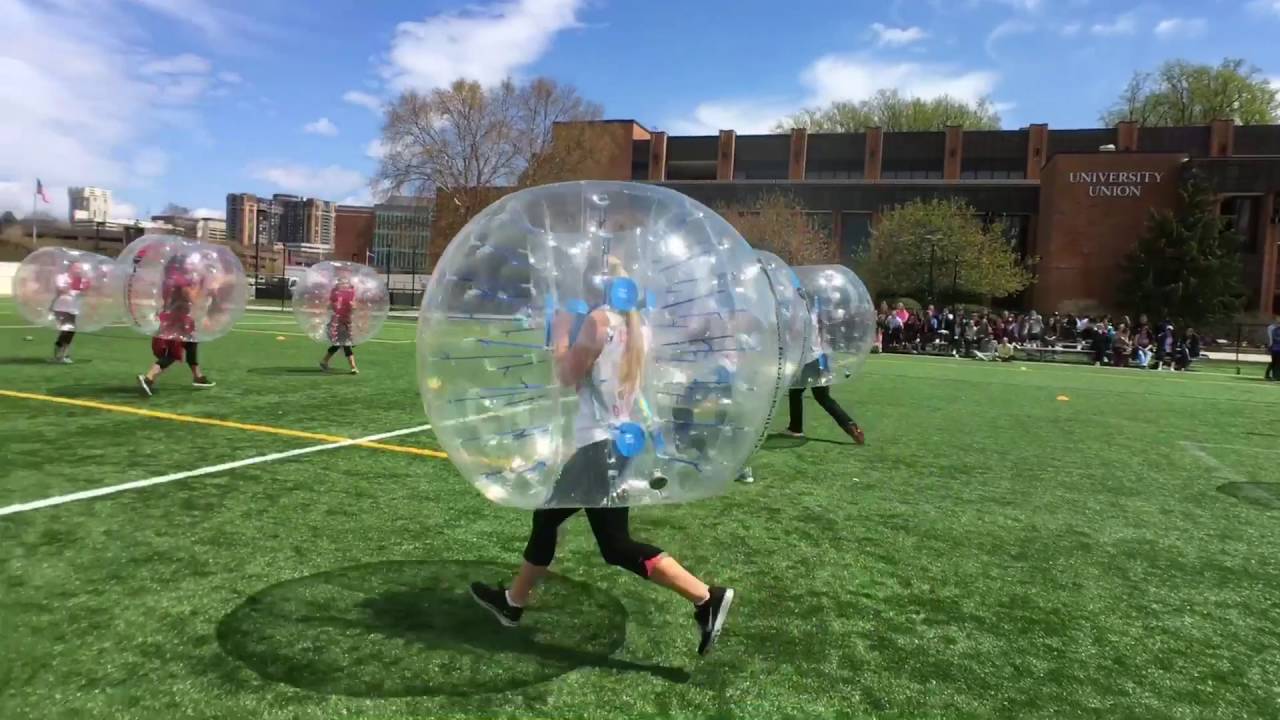
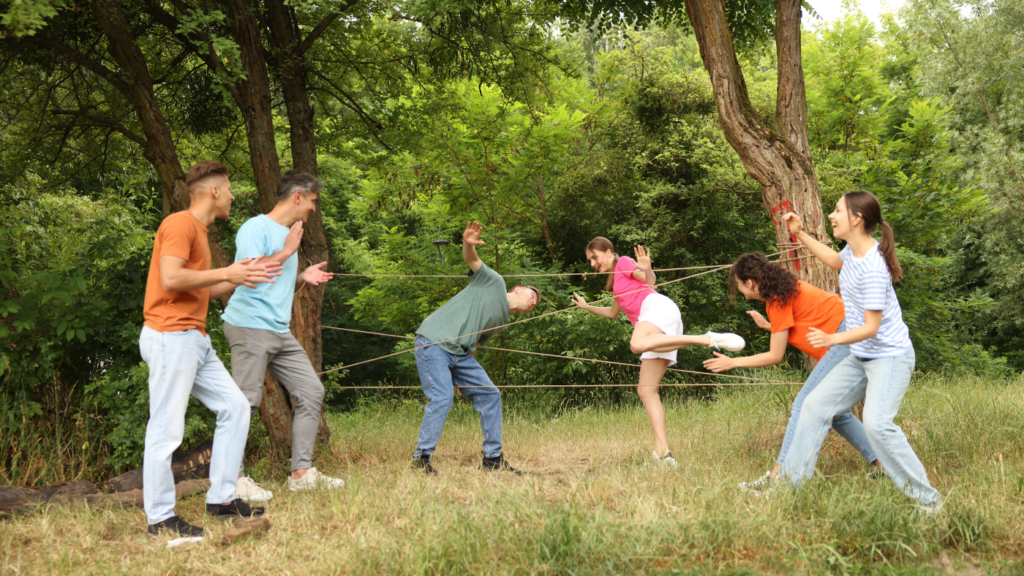
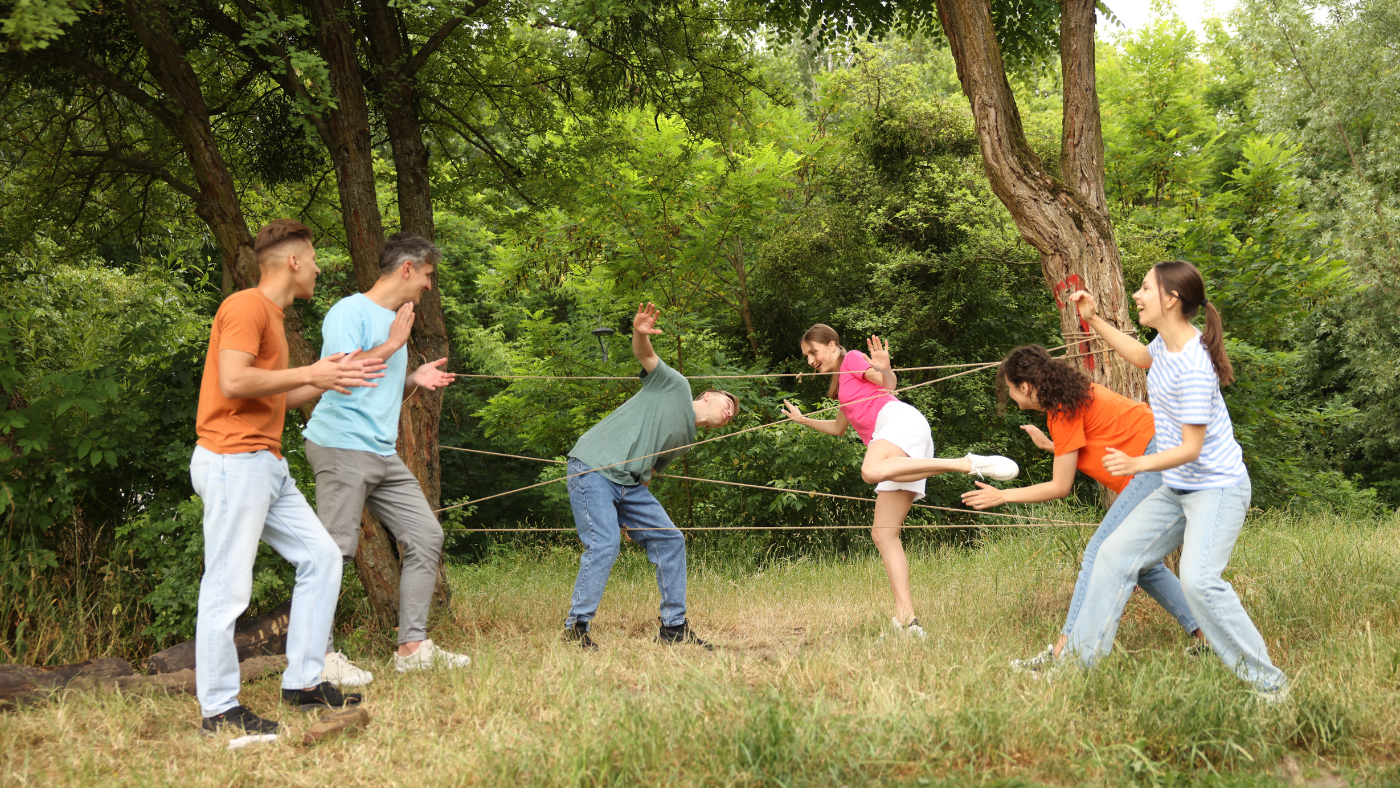
- Outdoor Challenges Scavenger hunts and relays promote problem-solving.
- Creative Workshops Graffiti Art or Pottery fosters co creation.
- Digital Games AR/VR options scale for large and remote groups.
- Leadership Challenges Games like Kingdom of Power develop leadership and alignment.
Virtual and Quick Start Ideas
Virtual or hybrid formats suit dispersed teams. Quick ideas: The Wild Goats Challenge for problem solving 60 Seconds to Win It for energy and Kingdom of Power for deep development.
How do these activities improve communication and trust benefits and outcomes
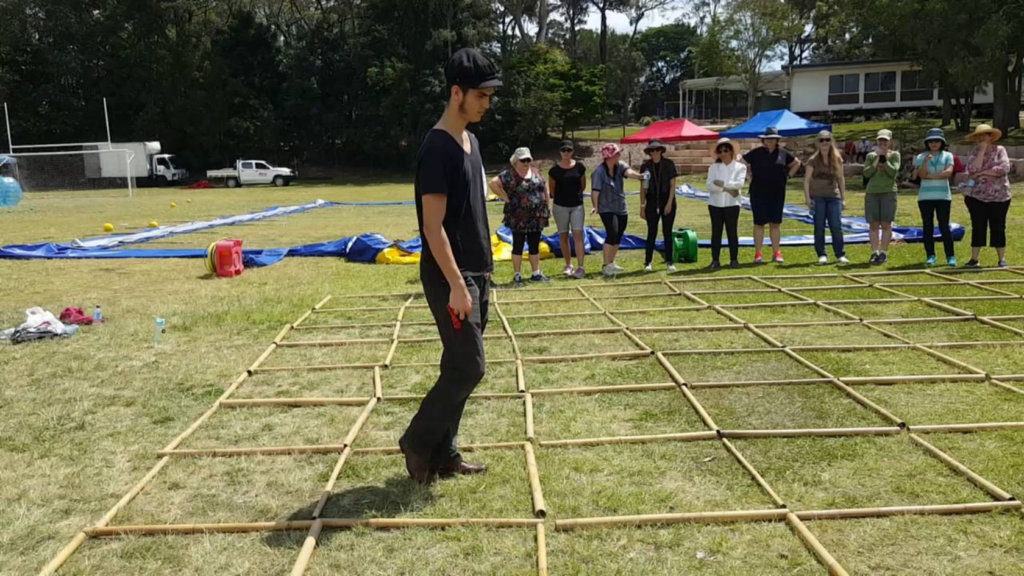
Effective team building cultivates essential workplace behaviors and delivers measurable improvements in team interaction.
Psychological Safety and Empathy
Well facilitated games foster psychological safety, encouraging open sharing. Activities mixing departments break silos, increasing empathy and improving collaboration. Research, like insights from Harvard Business Review confirms collaboration enhances performance.
Structured Debriefs and Impact
Critical debriefs help teams reflect and link lessons directly to workplace behaviors. Team challenges improve collective decision making and conflict resolution. Track improvements in satisfaction, engagement and collaboration metrics for clear ROI.
Logistics & planning in Singapore
Successful team building in Singapore requires careful planning for accessibility and alignment with needs and budget.
Scalability, Duration and Budget
Programs scale from 10 to 50+ participants with options from quick breaks to immersive 3.5–4 hour experiences. Costs vary turnkey programs with professional facilitation offer better value and ROI. For comprehensive solutions consider TeamLabs.
Scheduling, Accessibility and Customization
Schedule within working hours, considering seasonality and venue availability. Ensure inclusivity for all. Singapore offers diverse venues.
Real life use cases and examples
Practical applications of team building games address common workplace challenges effectively.
Post Remote Transition & Cross Department Collaboration
Tablet based scavenger activities help re establish trust in hybrid teams. Creative workshops like Graffiti Art break down silos, fostering shared language and reinforcing corporate values.
Leadership Development
Kingdom of Power acts as a powerful leadership assessment and bonding exercise. Participants hone problem solving and strategic thinking.
How to choose the right activity 5-step planning framework
Selecting the ideal team building activity is simplified with a structured approach.
- Define Core Goal: Improve communication or build trust?
- Assess Participant Profile: Consider team size, location, mobility tech comfort.
- Pick Activity Type: Choose indoor, outdoor, creative or digital.
- Plan Briefs: Set expectations pre activity; schedule structured debriefs post-activity.
- Pilot and Measure ROI: Partner with a trusted provider. Establish ROI measurements.
Activity ideas with quick specs choose by goal
Here are popular team building options with key features:
- Escape Room Team Building
Benefit: Communication, problem solving.
Duration: 60–120 min.
Setting: Indoor.
- The Wild Goats Challenge tablet based
Benefit: Cross team visibility, strength mapping.
Duration: 60–90 min.
Setting: Indoor/outdoor adjacent.
- Kingdom of Power
Benefit: Leadership, collaborative design.
Duration: 3.5–4 hours.
Setting: Indoor, immersive.
- Creative Workshops (e.g., Graffiti Art)
Benefit: Communication through co-creation.
Duration: 90–120 min.
Setting: Indoor.
- AR Sports / Digital Games
Benefit: Inclusive, tech enabled collaboration.
Duration: 60–90 min.
Setting: Indoor or hybrid.
Measuring impact and sustaining gains post activity follow up
The true value of team building lies in sustained improvements. Effective follow-up reinforces learning.
Immediate Debrief and Action Planning
A facilitated debrief helps teams reflect on experiences, identify learnings and create actionable plans.
30-Day Follow Up and ROI Indicators
Reinforce learning with small follow up activities. Track key performance indicators like engagement scores and reduced communication delays for clear ROI.
Why Team Labs for team building in Singapore

Choosing the right partner is vital. TeamLabs stands out in Singapore, offering experiences designed for tangible results.
- Proven Scale Over 860,000 participants engaged across Singapore.
- Focused Outcomes Activities improve communication and trust for lasting impact.
- Flexible Formats & Customization Diverse indoor, outdoor and digital options scalable for 10-500+ participants fully customized for your goals.
- End to End Partnership Comprehensive support includes planning, delivery, expert facilitation and post activity follow up.
- Local Expertise A Singapore based team understands unique cultural and business needs.
Pre and post activity tips
Strategic preparation and diligent follow through maximize team building benefits.
- Pre-activity: Set clear goals, share context and identify leaders.
- During activity: Encourage inclusive participation. Note learning moments.
- Post-activity: Schedule a debrief. Assign action owners and track progress for 30 days.
FAQ
Here are quick answers to common questions about team building games in Singapore:
What are the best team building games for improving communication in Singapore?
Structured, facilitator led activities encouraging dialogue, like escape rooms, creative workshops and digital games are effective when tailored to team goals.
Are indoor or outdoor activities better for trust building in Singapore?
Both are effective indoor offers easier logistics while outdoor provides higher energy and memorable interaction.
Can team building be virtual or hybrid?
Yes, virtual or hybrid formats work well for dispersed teams and integrate seamlessly with in person sessions.
How much do these activities cost in Singapore?
Costs vary by format and duration, turnkey programs with professional facilitation generally offer transparent pricing.
How many participants can attend?
Programs scale from small teams to over 50 expert providers that can manage hundreds.
Can activities be customized for our goals?
Yes, customization is a core strength except tailored briefs and post-activity follow-ups.
How do these activities improve performance?
They improve performance by increasing psychological safety, fostering cross functional understanding and developing actionable collaboration skills.