
At TeamLabs, we specialize in delivering exciting and immersive team-building experiences for schools, corporates, families, and friends. Whether you’re looking for adrenaline-pumping action or engaging mini-games, we have a wide range of activities designed to promote teamwork, strategy, and fun!
From fast-paced competitions to strategic problem-solving challenges, TeamLabs creates memorable bonding experiences that strengthen relationships and enhance collaboration.
Perfect for corporate team-building events, school outings, birthday parties, and casual gatherings, our customized programs ensure that every participant has a blast while developing essential skills like communication and leadership.
Join us at TeamLabs for an unforgettable adventure where fun meets teamwork!
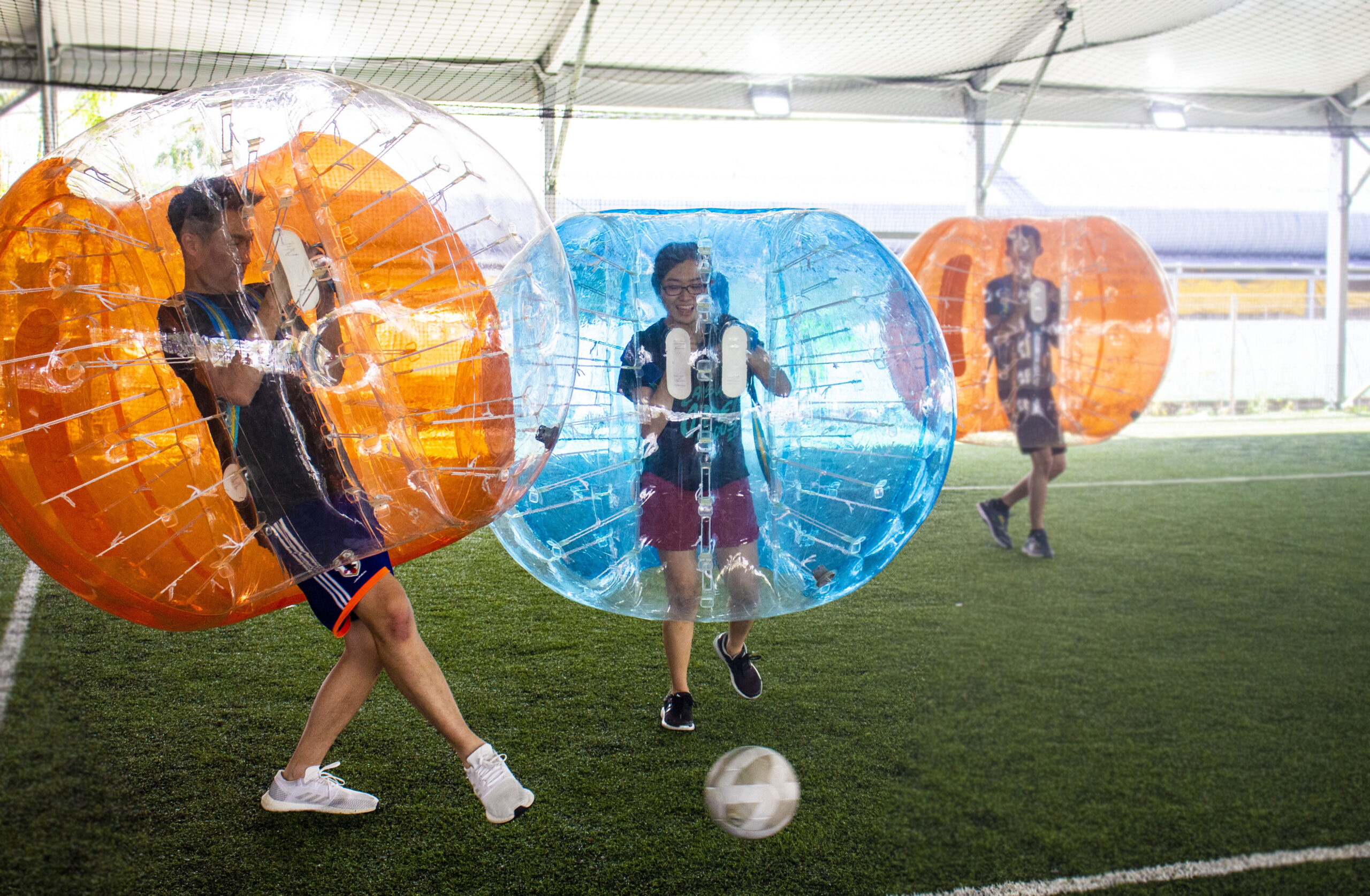
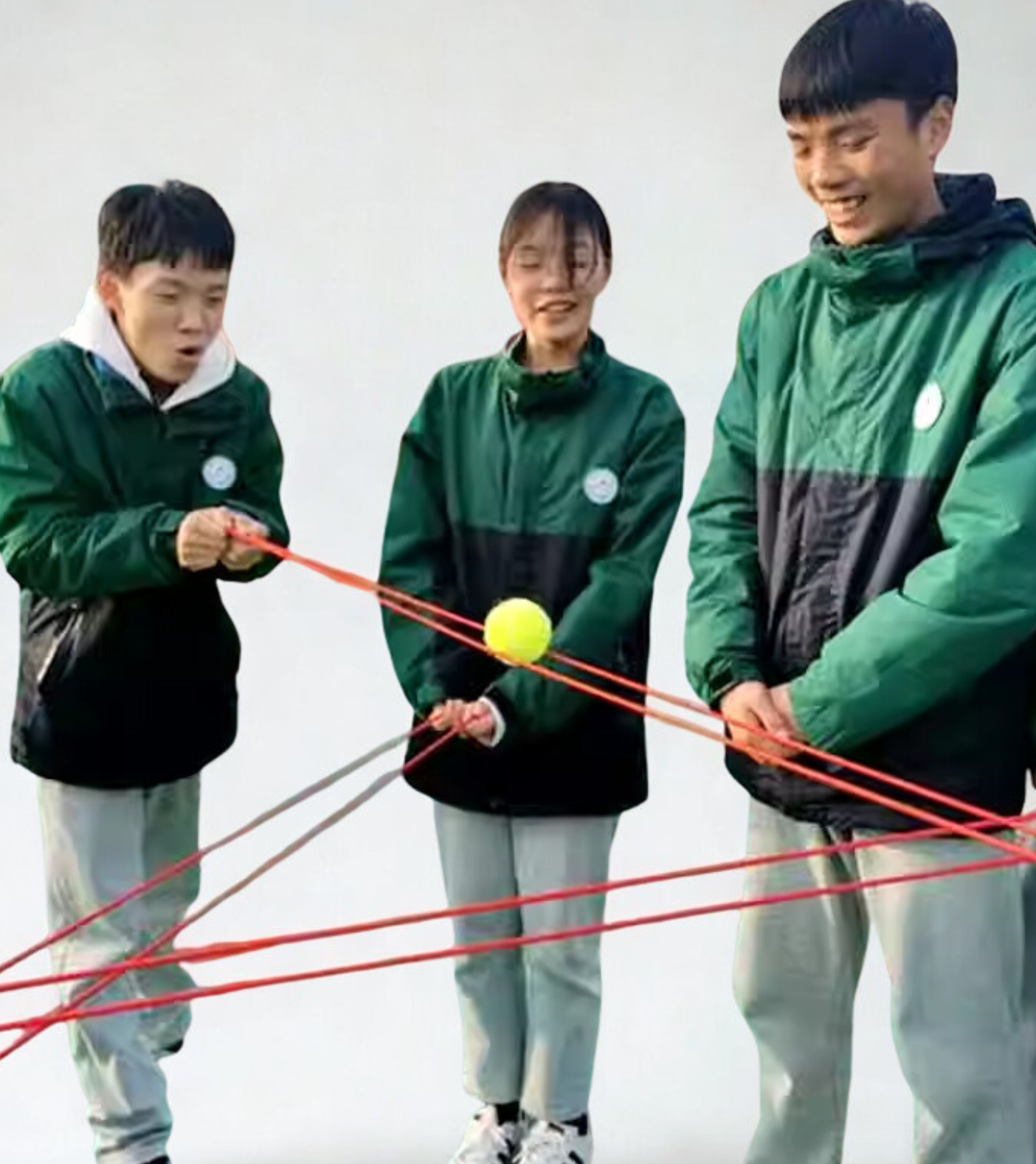
Activities we have caters to students from primary schools
to universities.
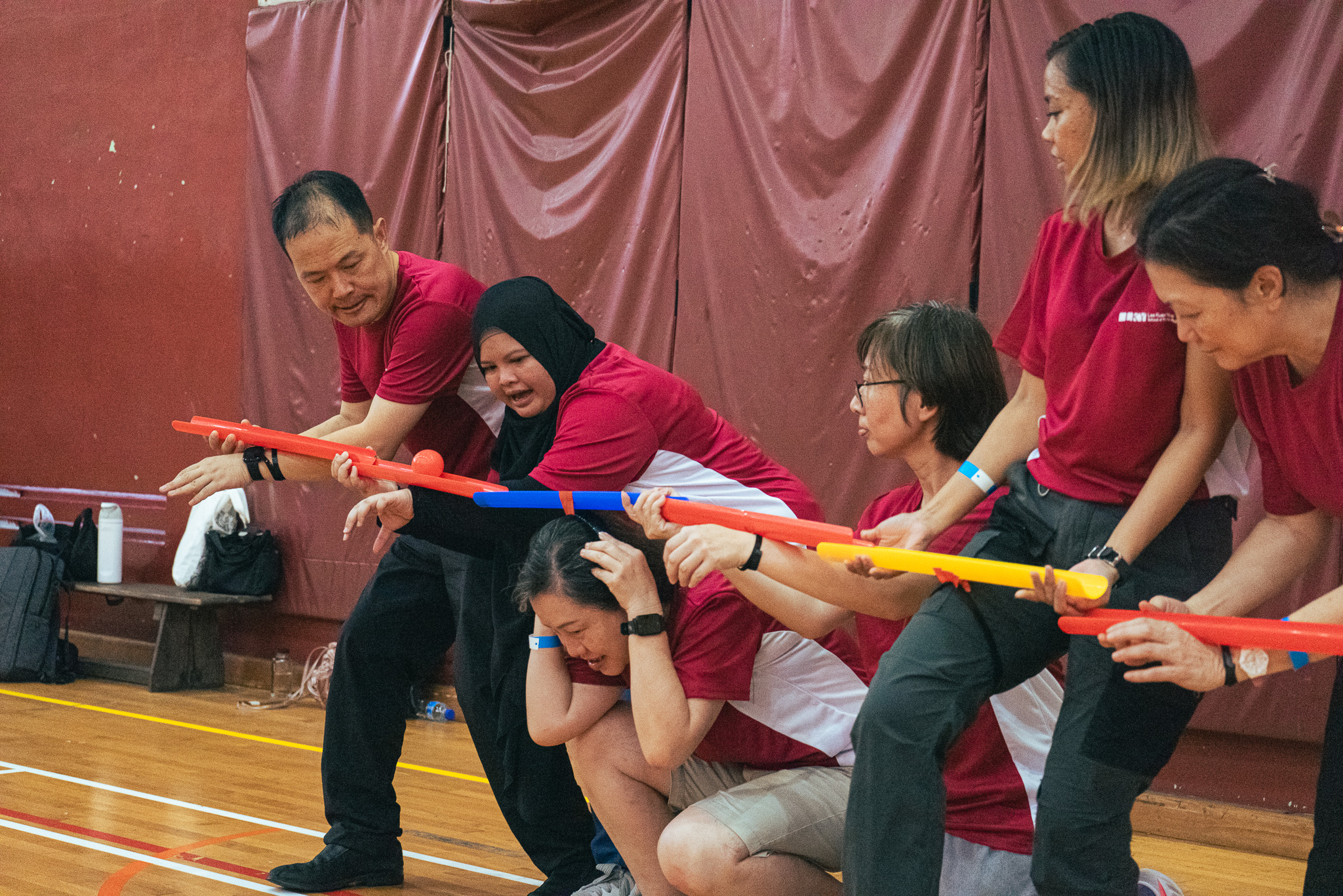
We keep office worker’s feet off the ground and build team bonding at the same time.
Customised experiences to meet the needs of your teams
At TeamLabs, we understand that every team is different. Whether your team is large or small, highly competitive or more relaxed, we offer customized events that align with your team’s goals, dynamics, and energy. We take the time to understand your team’s needs and then design a bonding experience that enhances collaboration, communication, and creativity. Whether you’re aiming to strengthen leadership skills, improve problem-solving, or simply have fun, we have a program that fits your objectives.
Skilled and friendly facilitators
The experienced facilitators at TeamLabs are what distinguish them from other team-building organizations. TeamLabs offers participants practical advice who comprehend the psychology of team dynamics, as opposed to merely setting up activities and letting them work it out on their own. These facilitators are adept at encouraging candid conversation, controlling group dynamics, and making sure the event goes off without a hitch
Fun and engaging with benefits
While team-building activities are enjoyable, they must also provide promising benefits. Every activity created by TeamLabs strikes a balance between enjoyment and practicality.
Adaptability to Any Size Group
TeamLabs can meet your demands for team building whether you're working with a small group of five people or a huge corporate group of hundreds. They have expertise planning both large-scale events and private, small-group sessions, making sure that each participant has an opportunity to participate.
TeamLabs makes sure that everyone is included and involved by tailoring the activities' level of difficulty and scale to the size of the group. Because of its adaptability, Team Labs is a great option for both small and big teams, as well as businesses with a variety of divisions or team sizes.
Cleaned and sanitized equipments
When it comes to organizing active, high-energy team bonding games like Archery Tag, and Laser Tag, one of the most important aspects is ensuring that the equipment used is clean, safe, and sanitized. This is not just about hygiene; it’s about maintaining the overall safety and comfort of participants, especially when multiple people are using the same equipment.
Archery Tag is an outdoor team building game, a great way to bond with your colleagues, friends, and family through playing a stimulating and highly competitive adaptation of Dodgeball. To play Archery Tag, players use bows to eliminate opponents by shooting them with safe foam-tipped arrows.
Feel free to reach out to us if you have any questions or require further assistance!